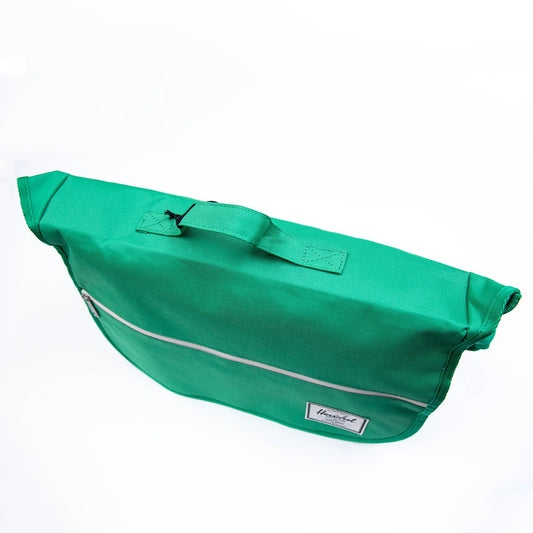
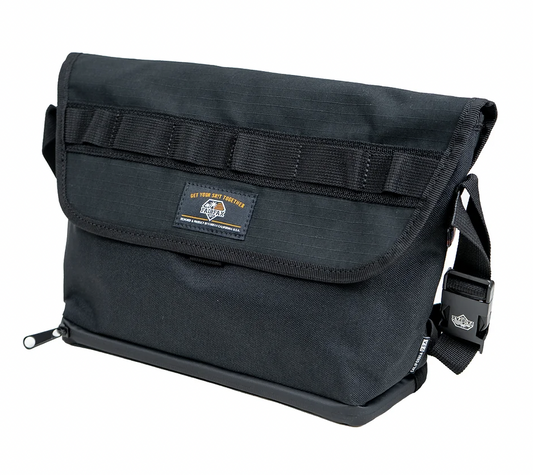
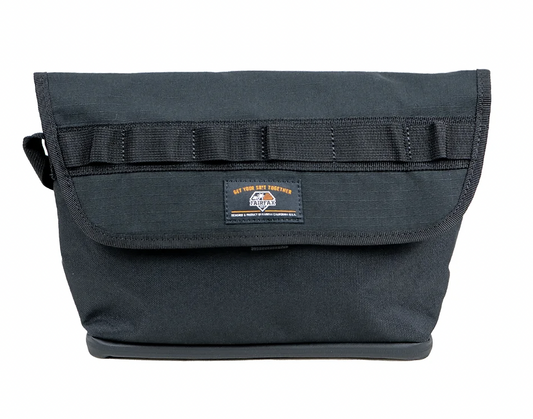
Collection: Messenger bag
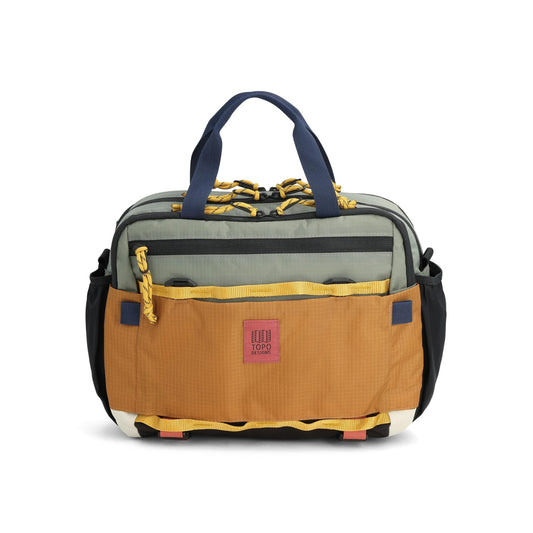
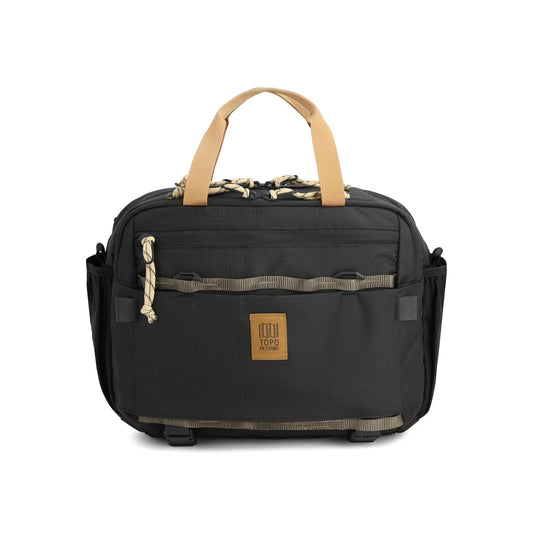
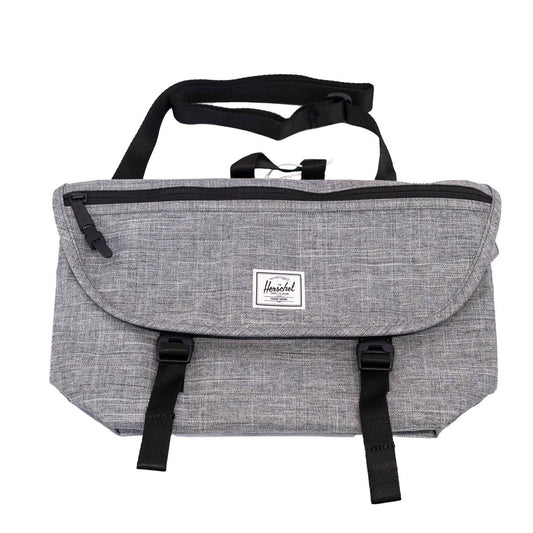
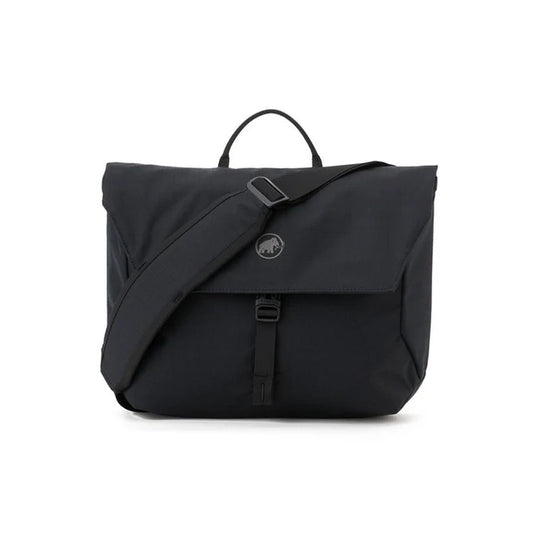
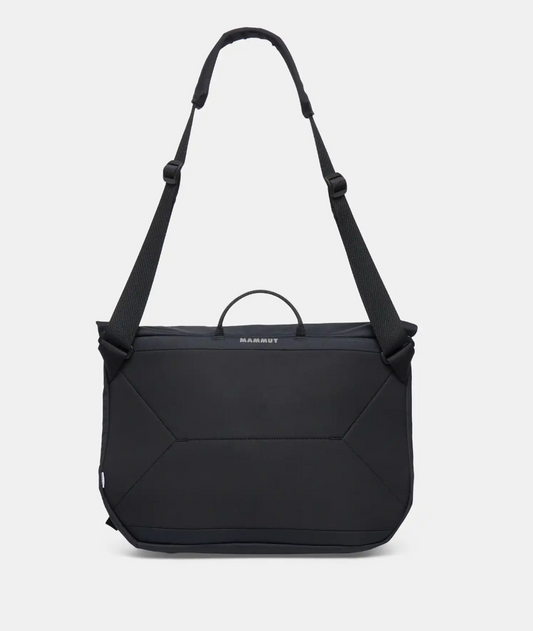
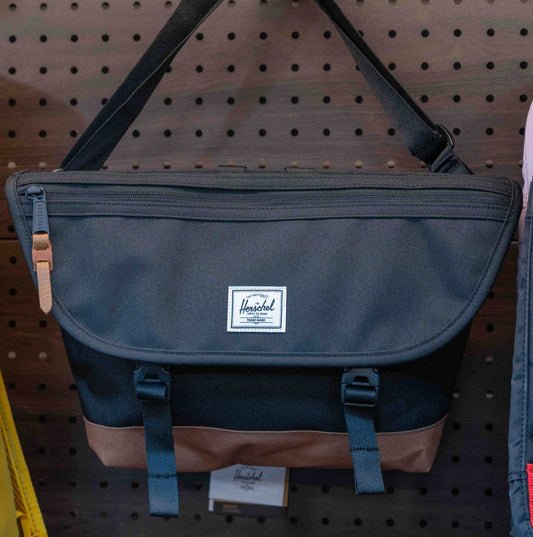
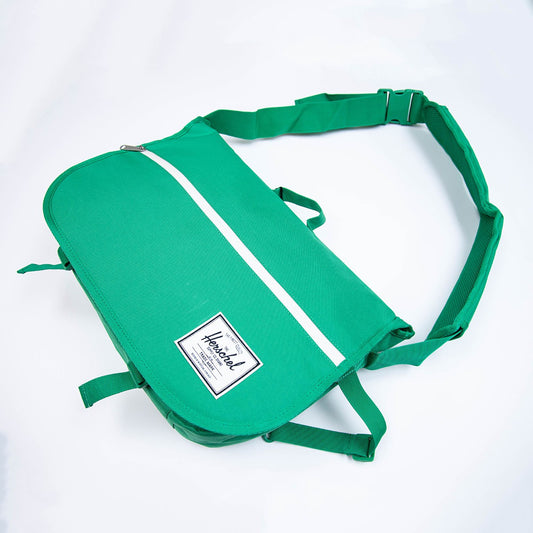
Messenger Bag: Heavy-duty, large capacity, suitable for commuting, cycling, or carrying a laptop.
1. Origins: 1950s Utility Origins ⚡
Although named "messenger bag," its ancestor was actually designed for field repairmen of Consolidated Edison.
-
De Martini Global: Founder Frank De Martini designed a canvas bag that allowed repairmen to reach for tools with one hand while climbing utility poles.
-
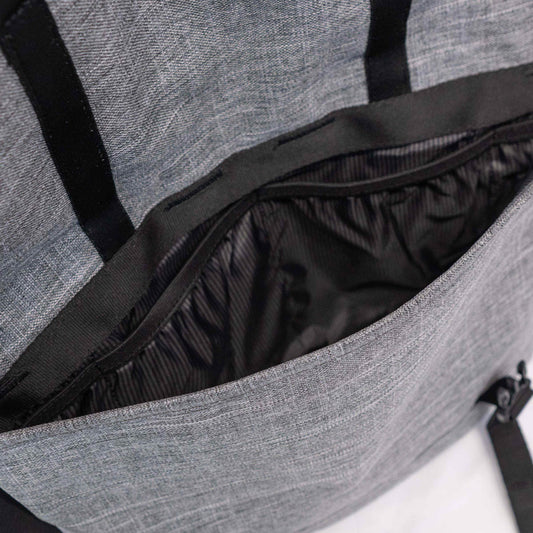
Original Design Intent: It had to be large and deep, with a reinforced bottom for durability. Most importantly, the **"large flap"** was designed to protect tools from getting wet in heavy rain.
2. Naming: 1980s Bike Messenger Culture 🚲
What truly led to it being called a "Messenger Bag" and gaining widespread popularity was the bike messenger culture in New York and San Francisco in the 80s.
-
Courier Demand: In an era without email, documents, legal contracts, and blueprints were all delivered by these cyclists weaving through city traffic.
-
Improvements and Evolution: In 1989, Timbuk2 founder Rob Honeycutt improved the design. He added a stabilizer strap—this small strap across the armpit prevented the bag from sliding to the front of the chest during high-speed cycling. This became the soul of the professional messenger bag.
-
Cultural Symbol: These messengers were seen as "modern cowboys" of the city. Their worn, sticker-covered messenger bags symbolized a rebellious, fast, and tough attitude towards life.
3. Modern Day: Office Commuting and Photography Enthusiasts (Modern Office) 💻
After 2000, the messenger bag entered the office:
-
Laptop Era: Because the messenger bag's horizontal structure is perfect for carrying a laptop, it looks more mature and professional when paired with a suit or casual wear than a backpack.
-
Shoulder Bag Advantage: No need to take off the bag to open the flap and retrieve items, which is extremely convenient for photographers or students.
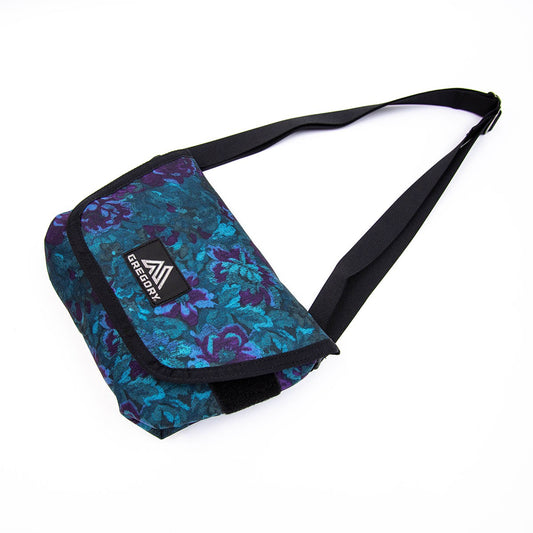
 Save $212.00
 Save $81.00