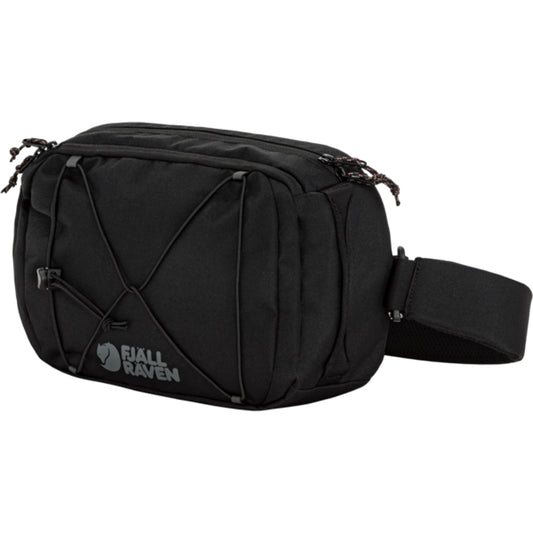
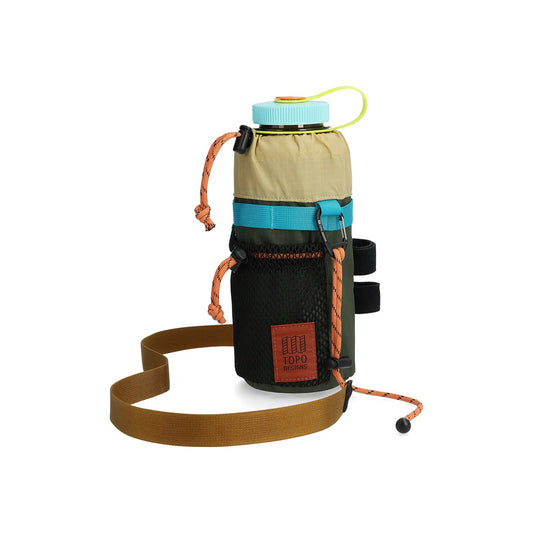
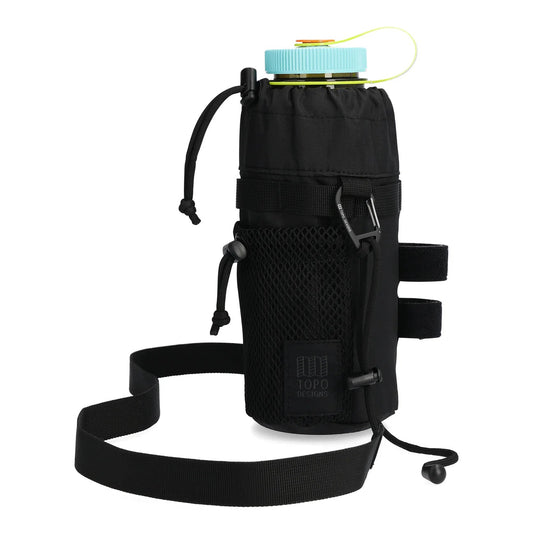
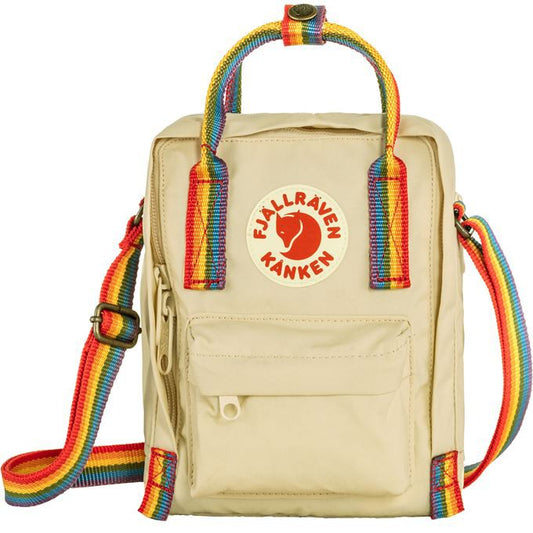
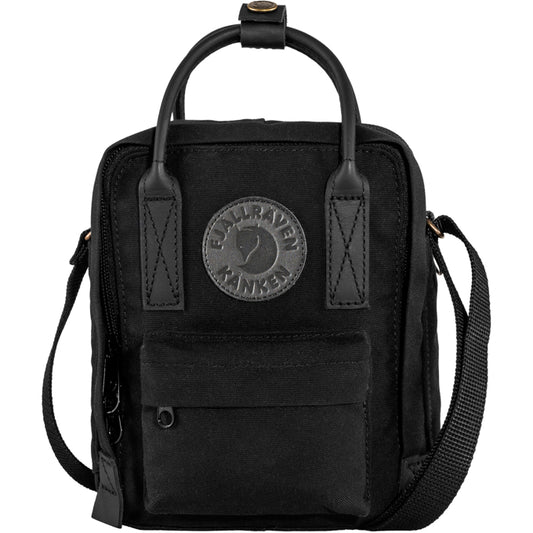
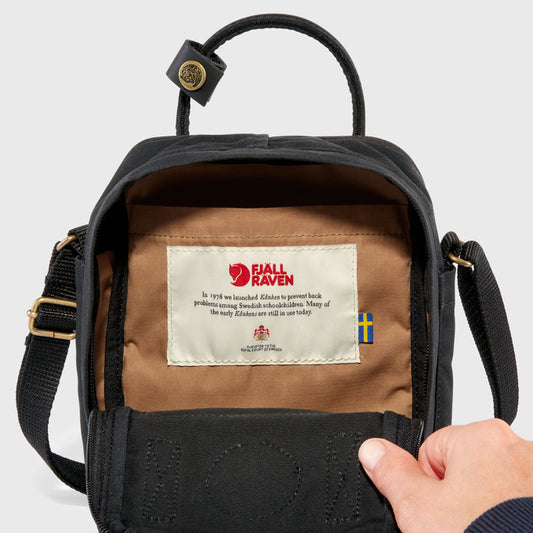
Collection: Sling Bag
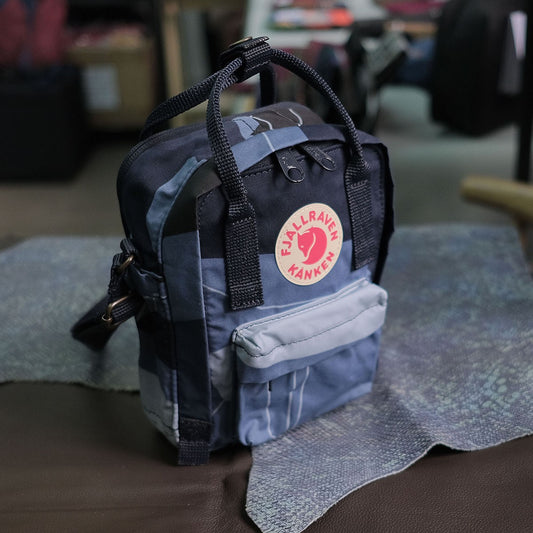
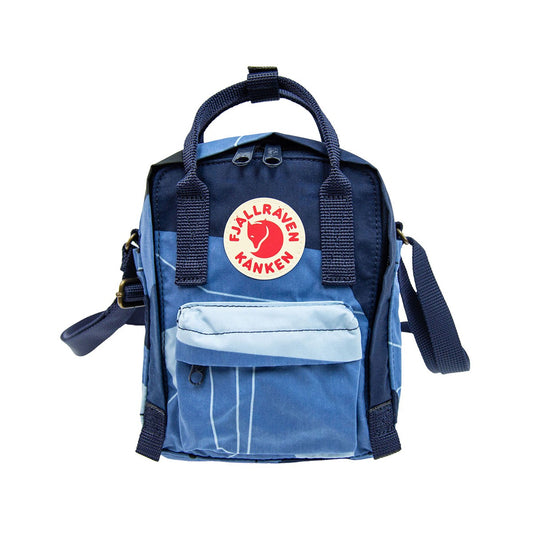
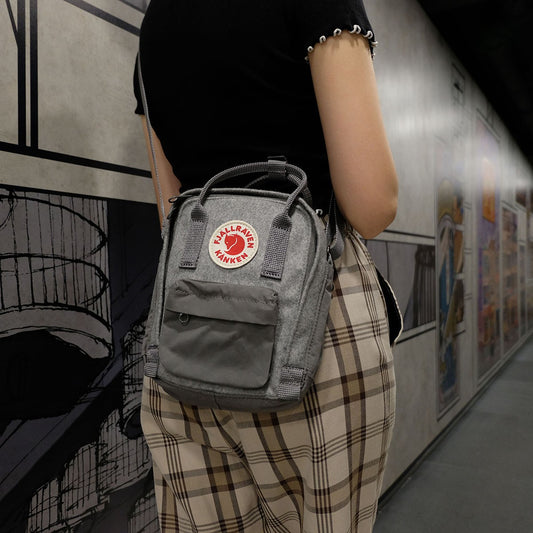
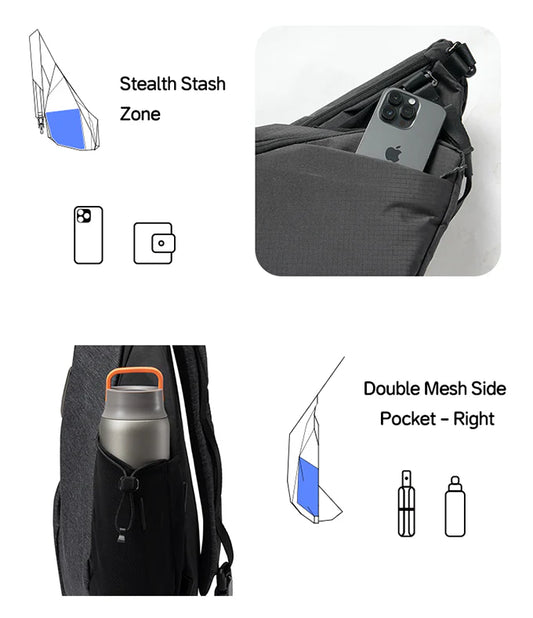
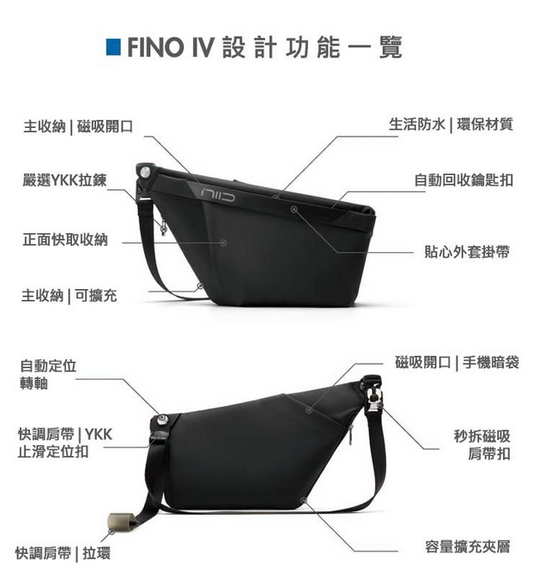
Sling Bag (Functional Chest Bag): Quick access, structured, suitable for 3C accessories.
1. Origin: American Power Company and Postmen (Utility & Utility) 🇺🇸
The earliest form of the Sling Bag was inextricably linked to the Messenger Bag, but in a smaller size.
-
Electrical Linemen: In the 1950s, American electrical linemen needed to climb utility poles. They required a small bag that would stay close to their body, wouldn't slide off, and allowed them to grab tools with a quick flick of the wrist.
-
De Martini Global: This company is considered the originator of the modern Sling Bag. They designed single-strap, canvas crossbody bags for repair workers, which became the prototype for all subsequent single-shoulder functional bags.
2. Military Evolution: Tactical Chest Bags (Tactical Gear) 🪖
The "functional feel" of the Sling Bag largely comes from the military:
-
Medics and Communicators: On the battlefield, medics needed to quickly access first-aid kits, and communicators needed to operate radios. Traditional backpacks were too slow, so single-shoulder tactical bags were developed.
-
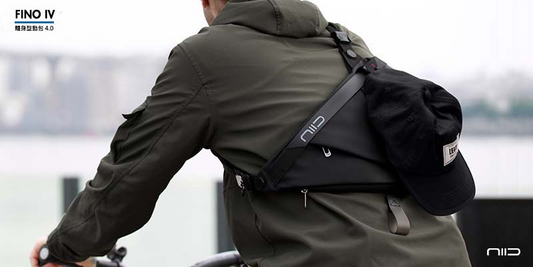
Features: These bags emphasized the "Swing to Front" function. Without taking off the bag, a simple tug on the shoulder strap would bring the bag from the back to the chest, allowing for extremely quick access. This is why many modern Sling Bags are advertised as "quick access."
3. Modern Definition: Urban Commuting and Digital Life (Tech & EDC) 💻
Entering the 21st century, Sling Bags experienced two major booms:
-
Camera Slings: Photographers need to change lenses on the fly, and the Sling Bag's structure perfectly fits this need.
-
EDC (Everyday Carry) Culture: As iPads, gaming consoles (Switch), and power banks became necessities, people needed something more durable than a Sacoche and lighter than a backpack. The Sling Bag filled this market gap and evolved into the three-dimensional, structured designs we commonly see today.